
The Slim Secret · Nutrition
Fresh vs. Frozen vs. Canned Vegetables: What to Buy
When choosing between fresh, frozen, and canned vegetables, start with the dish. Fresh cabbage gives slaw its crunch, frozen peas are easy to portion into soup, and canned tomatoes make a quick sauce. All three can fit into a varied diet. USDA MyPlate guidance on buying produce.
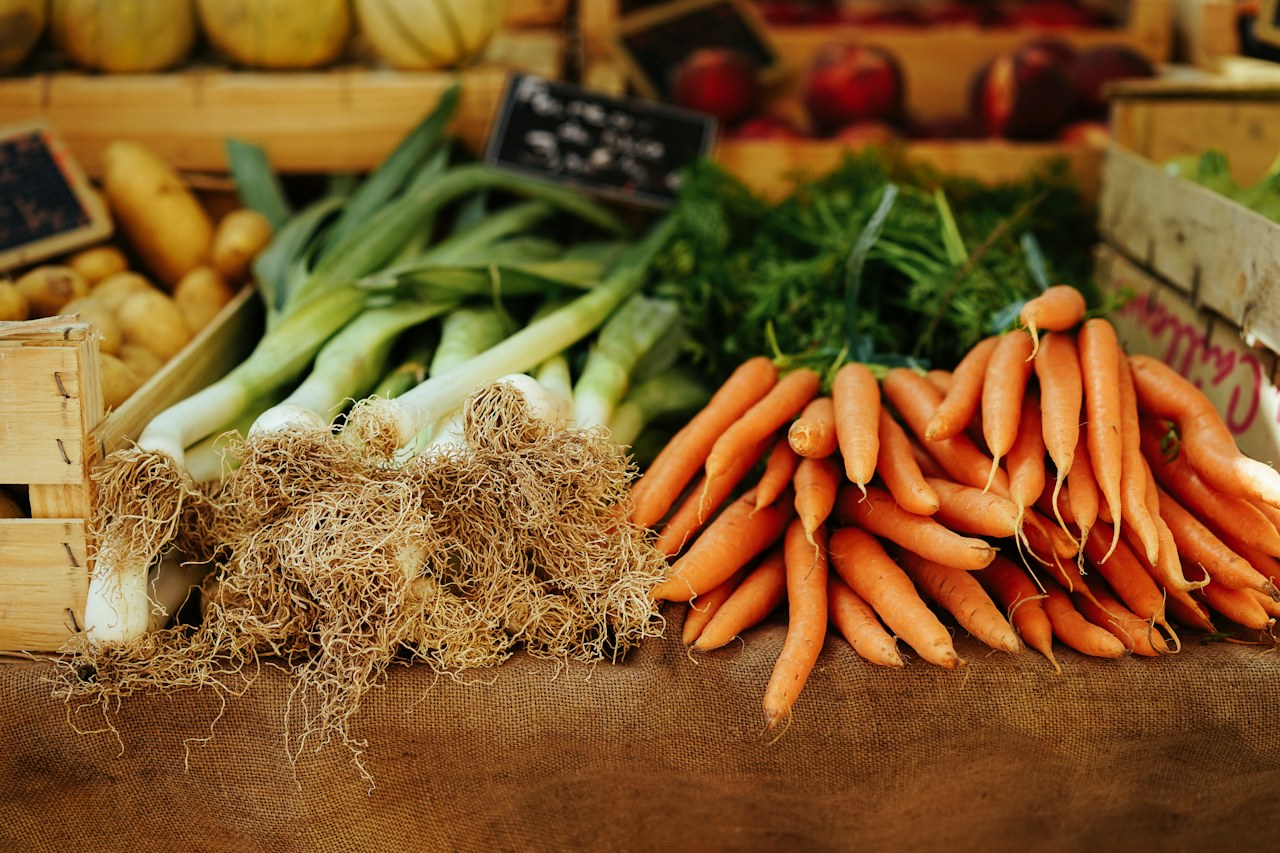
Fresh vs frozen vs canned vegetables at a glance
| Type | Use it for | Try buying |
|---|---|---|
| Fresh | Salads and slaws with a crisp bite | Cabbage, carrots, cucumbers |
| Frozen | Hot dishes you make a few portions at a time | Plain peas or broccoli |
| Canned | Pantry meals, soups, and sauces | Tomatoes, corn, green beans |
Shop for the dishes you actually cook
Fresh for crunch
Buy what you can use in your next few meals. If you need half a cabbage for slaw, plan a skillet for the rest. Our budget dinner guide shows how to use the same vegetables in more than one dish.
Frozen for quick cooking
Choose plain vegetables if you want to season them yourself. Pour out what you need, return the rest to the freezer, and follow the package’s cooking directions. A bag of peas can go into pasta on Monday and soup later in the week.
Canned for a flexible pantry
Keep canned tomatoes for a quick sauce or corn for chowder. If you want to limit added salt, look for no-salt-added options and compare sodium at the same serving size. The nutrition label guide walks through that comparison.
Compare prices by the amount you’ll use
Check the unit price, then think about waste. A larger fresh bag can make sense if you have two meals planned. Frozen may be the better buy when you’ll use only a handful at a time. For canned vegetables packed in liquid, look at the drained weight when available.
Start with fresh vegetables for your next meal, one plain frozen option for a busy night, and one can you can turn into a meal with what’s already in your pantry.