
THE SLIM SECRET · IN-DEPTH SUPPLEMENT REVIEW
VitaMotion Review 2026: Ingredients, Joint Support Claims, Safety & Value
VitaMotion combines a powdered dietary supplement with a short movement routine. Is it a sensible purchase for stiffness and everyday mobility? We examine its advertised ingredients, evidence gaps, precautions, and buying terms.
Updated November 2026 · Independent editorial assessment
What Is VitaMotion?
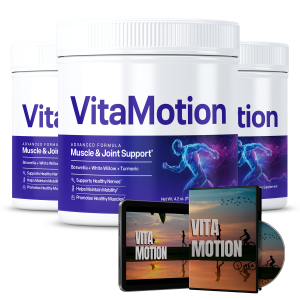
VitaMotion is marketed as a daily powdered supplement for back, joint, muscle, and mobility support. Its advertising also describes a short guided movement routine, often presented as a 7–10 minute daily practice. The supplement and the exercise routine are separate components: any benefit from gentle movement does not demonstrate that the powder is effective.
Promotional websites describe VitaMotion as a convenient way to support comfortable movement. However, stiffness and pain can have many causes, including muscle strain, arthritis, nerve compression, or other medical conditions. A supplement should not replace diagnosis or appropriate treatment.
How Is VitaMotion Supposed to Work?
The product's marketing connects vitamins, minerals, and plant extracts to normal muscle, nerve, and joint function. The accompanying routine encourages low-impact movement. These ideas are plausible at a general level, but whether this specific finished formula improves symptoms depends on ingredient amounts, formulation, individual health status, and clinical evidence.
Movement exercises may help some people maintain strength and flexibility when tailored to their condition. They should be adjusted or avoided if they worsen pain, numbness, or other symptoms.
VitaMotion Ingredients: What the Marketing Lists
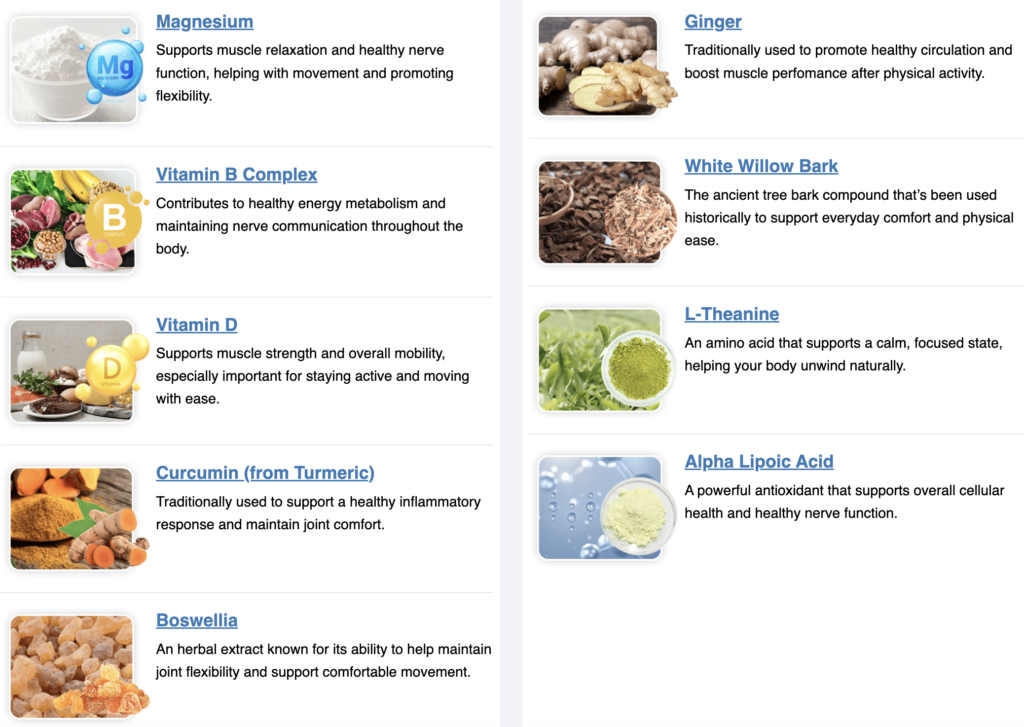
Current VitaMotion promotional materials list magnesium, B vitamins, vitamin D, curcumin, Boswellia, ginger, white willow bark, L-theanine, and alpha-lipoic acid. These descriptions are not a substitute for the product's Supplement Facts panel, which should disclose the actual quantities and serving size.
- Magnesium: needed for normal muscle and nerve function. Extra supplementation is not automatically helpful if intake is adequate.
- Vitamin D and B vitamins: essential nutrients; correcting a deficiency can matter, but more is not necessarily better.
- Curcumin and Boswellia: botanicals studied for certain inflammatory and joint-related outcomes, with results depending on formulation and dose.
- Ginger: commonly studied for digestive symptoms and some inflammatory outcomes, but not proven to restore damaged nerves.
- White willow bark: contains salicylate-related compounds and deserves particular attention for medicine interactions and bleeding risk.
- L-theanine: generally investigated for relaxation rather than as an established treatment for joint disease.
- Alpha-lipoic acid: has been investigated in some nerve-related conditions, but evidence does not establish that this blend treats neuropathy.
Does VitaMotion Really Work for Nerves and Joints?
Evidence for an ingredient is not the same as evidence for a finished supplement. We have not established that VitaMotion itself has been tested in a well-designed, published clinical trial showing meaningful improvement in nerve damage, arthritis, or chronic back pain. Claims about rapid results or dramatic recovery should therefore be treated cautiously.
A vitamin or mineral may support normal body functions, especially when a person is deficient. That does not mean a supplement reverses nerve injury or treats the underlying cause of pain. Likewise, a daily exercise routine may help mobility, but its benefits should not be credited automatically to the powder.
Customer testimonials and star ratings on promotional pages are not substitutes for independent trials. We have not independently verified their identities, outcomes, or whether VitaMotion caused reported improvements.
VitaMotion Pros and Cons
Potential advantages
- Combines nutrition information with a movement routine
- Powder format may suit people who dislike capsules
- Includes familiar vitamins and botanical ingredients
- Encourages regular, gentle activity
Important drawbacks
- Finished-product clinical effectiveness is unverified
- Potential herb–drug interactions
- Exact doses must be checked on the label
- May not be appropriate for all medical conditions
- Multi-bottle purchases can increase cost
Safety, Side Effects, and Interactions
“Natural” does not mean risk-free. White willow bark can be inappropriate for people with aspirin sensitivity, bleeding disorders, or those taking anticoagulant or antiplatelet medicines. Some botanicals may also interact with medication. High doses of certain vitamins and minerals can cause adverse effects.
Ask a pharmacist or clinician to review the complete ingredient list if you take medication, have kidney or liver disease, are pregnant or breastfeeding, or have a diagnosed neurological condition. Stop use and seek medical advice if you experience concerning reactions. Persistent numbness, weakness, worsening pain, or changes in bladder or bowel control require medical assessment, not self-treatment with a supplement.
VitaMotion Pricing, Packages, and Refund Policy
Promotional sellers advertise single-bottle and multi-bottle packages, sometimes with bonuses or a money-back period. Pricing, shipping charges, and refund conditions can change, and similarly named sites may not be operated by the same seller. Confirm the seller's identity, full checkout total, return address, refund deadlines, and any subscription terms before paying.
Do not assume a product is FDA-approved simply because a marketing page mentions an FDA-registered manufacturing facility. Those are different claims.
Affiliate link · Verify the current label, total price, and seller terms.
Who Might Consider VitaMotion?
Someone who wants to compare a powdered supplement with other mobility-oriented products may find the formula interesting, provided they can review a complete label and discuss interactions with a healthcare professional. It is a poor substitute for a clinical evaluation when symptoms suggest a nerve or joint disorder.
If your primary goal is improved everyday movement, appropriately selected strength, balance, and flexibility activities may offer a more direct starting point than purchasing a supplement. A physical therapist or qualified clinician can help match exercises to your needs.
Frequently Asked Questions
Is VitaMotion FDA approved?
Dietary supplements are not FDA-approved for effectiveness before sale in the way prescription drugs are. A facility registration or manufacturing claim is not product approval.
Can VitaMotion repair damaged nerves?
There is no verified clinical evidence presented here that the finished product repairs nerve damage. Tingling, numbness, or weakness should be evaluated appropriately.
How long does VitaMotion take to work?
No reliable timeframe can be promised for the finished formula. Promotional reports of quick improvement are not proof of typical outcomes.
Can I take it with prescription medicines?
Do not assume compatibility. In particular, willow bark and some botanicals can interact with medications. Ask a pharmacist or clinician with the full ingredient list.
Is the movement routine useful without the supplement?
Gentle, suitable exercises can have independent value. Their safety and usefulness depend on the individual's symptoms and health conditions.
Final Verdict: Is VitaMotion Worth Buying?
VitaMotion is best viewed as a marketed supplement-and-movement bundle, not a proven treatment for nerve or joint disease. The daily movement component may encourage a helpful habit, but claims that the powder restores nerves or eliminates chronic pain are not established by evidence reviewed here.
Our recommendation is to prioritize an accurate diagnosis when symptoms persist, compare the product's actual ingredient doses and costs with alternatives, and verify the seller's refund terms before deciding.
Informational content only, not medical advice. This page may earn affiliate commissions.